
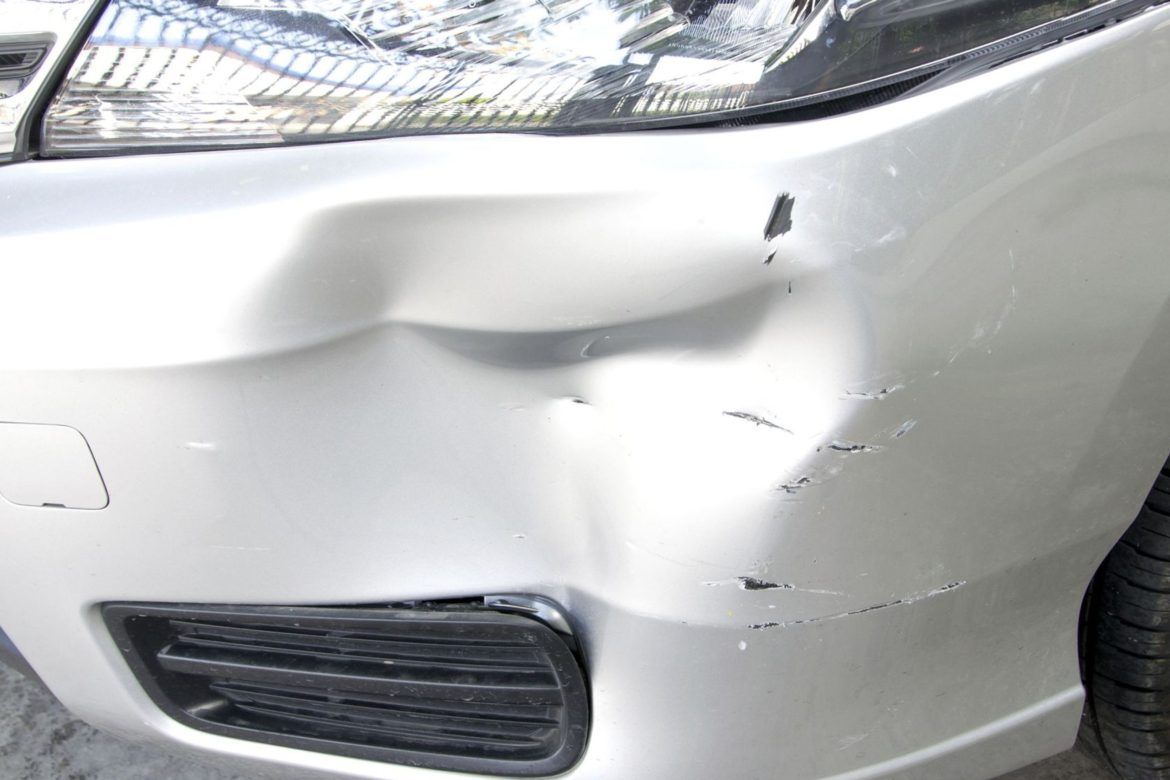
One of the most visible and concerning types of bumper damage is cracks or splits in the bumper cover. These breaks often occur after collisions or impacts with curbs, poles, or other vehicles. Even small cracks can worsen over time due to vibrations and weather exposure. Cracked bumpers not only look unsightly but also compromise the bumper’s ability to absorb impact effectively. Ignoring these damages can lead to further deterioration, potentially allowing dirt and moisture to reach the structural components beneath, which may cause rust or weaken the bumper’s support.
Dents and Deformations Affecting Structural Integrity
Dents or deformations are common after low to moderate speed accidents. While some dents might seem purely cosmetic, others can affect the bumper’s alignment and its ability to absorb shocks. A deformed bumper may fail to distribute impact forces properly in the event of another collision, increasing the risk of severe damage or injury. If you notice your bumper is bent out of shape, uneven, or protruding in certain areas, it’s a sign that professional repair is needed immediately to restore both appearance and safety.
Loose or Detached Bumper Parts
Bumpers are attached to the vehicle frame through clips, bolts, and brackets. In an accident, these connections can loosen or break, causing the bumper to hang loosely or even partially detach. Driving with a loose bumper is dangerous because it could fall off while on the road, posing a hazard to you and other drivers. Additionally, loose bumpers expose the vehicle’s inner components to dirt and moisture, accelerating wear and corrosion. If your bumper moves or shifts when touched, it requires urgent professional attention. Going for the Auto Repair in Grove City, OH based service would be a very important step.
Damage to Impact Absorbers and Reinforcement Bars
Beyond the visible outer shell, bumpers contain critical internal components such as impact absorbers and reinforcement bars. These parts cushion the blow during a collision, protecting the vehicle’s frame and passengers. Damage to these internal elements is not always apparent without a thorough inspection but can drastically reduce the bumper’s protective function. After any collision, even if the bumper cover looks intact, it’s essential to have a mechanic check these components. Ignoring internal damage can compromise your safety in future accidents.
Paint Damage Leading to Rust and Corrosion
While paint damage might seem minor, it can quickly escalate into a serious problem if left unattended. Scratches, chips, or peeling paint on your bumper expose the underlying material to moisture and environmental elements. This exposure leads to rust formation, particularly on metal reinforcements beneath the bumper cover. Rust not only weakens the bumper structure but can spread to adjacent parts of the vehicle, causing extensive and costly damage. Immediate repair and repainting protect your bumper’s integrity and help maintain your car’s value.
In conclusion, cracks, dents, loose parts, internal damage, and paint issues are bumper problems that demand immediate repair after an accident. Prompt professional attention ensures your bumper remains effective in protecting your vehicle and maintaining road safety.

