Car roof sealants play a crucial role in protecting your vehicle from water intrusion and environmental damage. These specialized materials are applied around roof joints, seams, and edges to create a waterproof barrier that prevents rain, snow, and moisture from seeping inside the car. Over time, however, sealants can degrade due to exposure to UV rays, temperature fluctuations, and physical wear. When sealants fail, leaks may occur, leading to water damage inside the vehicle’s cabin. Recognizing the importance of maintaining roof sealants helps car owners avoid costly repairs down the road.
Common Causes of Sealant Failures
Several factors contribute to the deterioration of car roof sealants. Prolonged exposure to harsh sunlight causes the sealant to dry out and crack, reducing its ability to form an effective barrier. Temperature changes cause expansion and contraction of both the sealant and car materials, which may result in gaps or peeling. Physical damage from debris, improper washing techniques, or minor collisions can also compromise the sealant layer. Additionally, aging and poor-quality sealants applied during previous repairs can fail prematurely, leading to leaks and water damage inside the vehicle.
Signs Your Car Roof Sealant Needs Replacement
Detecting sealant failure early is vital to prevent leaks and further damage. Common warning signs include visible cracks or peeling sealant around the roof edges and joints. Water stains or damp spots on the interior roof liner or pillars often indicate that moisture has penetrated the vehicle. A musty odor inside the cabin may also suggest mold growth caused by persistent moisture intrusion. If you notice any of these symptoms, it’s time to have your car roof inspected by a professional to assess the condition of the sealants and perform necessary repairs. Choosing the Auto Repair in Thomas, Ga based service would be quite a matter here.
The Process of Replacing Old or Damaged Sealants
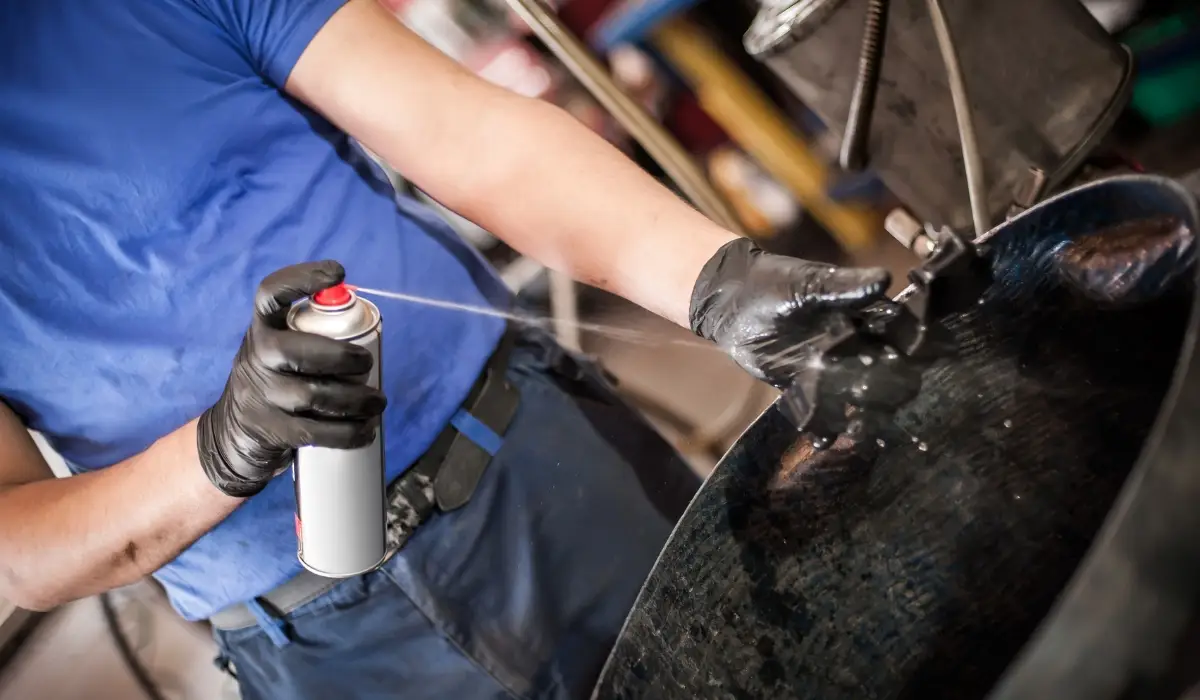
Replacing worn-out roof sealants is a detailed process best handled by experienced technicians. First, the old sealant is carefully removed using appropriate tools and solvents without damaging the car’s paint or roof structure. The surface is then cleaned thoroughly to ensure proper adhesion of the new sealant. Technicians apply a high-quality, weather-resistant sealant evenly along all roof joints, seams, and edges. After application, the sealant is allowed to cure fully to create a durable, watertight seal. This professional approach ensures the repair is long-lasting and prevents future leaks effectively.
Benefits of Timely Sealant Maintenance
Addressing sealant failures promptly protects your vehicle from a range of costly problems. Effective sealing prevents water leaks that can damage interior components such as upholstery, electronics, and insulation. It also helps maintain structural integrity by avoiding rust and corrosion caused by trapped moisture. Moreover, a well-sealed roof contributes to improved climate control inside the car and reduces wind noise during driving.
Conclusion:
Car roof sealant failures can lead to serious leaks and damage if left unaddressed. Understanding the causes and recognizing the signs of sealant deterioration helps car owners take swift action. Professional removal and replacement of old or damaged sealants restore the waterproof barrier your car needs to stay protected. With proper maintenance, your car roof remains sealed against the elements, keeping you safe and your vehicle in top condition for years to come.