Productivity is a major concern for waste collection companies. Fleets must complete scheduled pickups, manage operating expenses, and keep vehicles available despite changing route conditions. Delays at individual stops can accumulate over a full shift, making the choice of collection equipment an important part of operational planning.
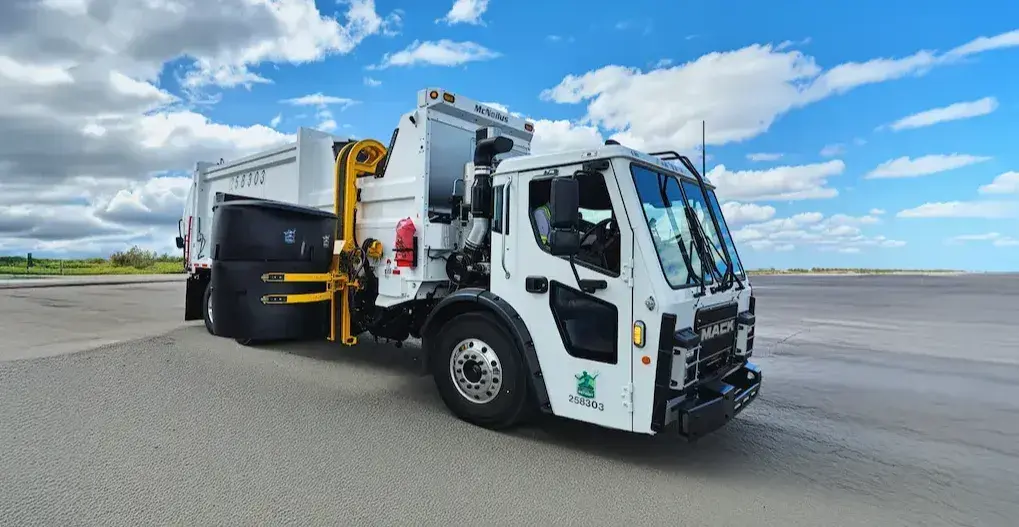
McNeilus side loaders offer automated and manual/automated configurations for residential waste collection. When the selected truck matches the route and containers, it can help support consistent collection cycles and reduce some repetitive tasks. However, fleet productivity also depends on route planning, driver training, maintenance, and customer cooperation.
Understand What Affects Productivity
A productive waste collection route is not simply one with the fastest truck. Performance depends on the number of stops, travel distance, traffic, cart placement, waste volume, loading method, and the time required to address obstacles.
If carts are blocked or positioned outside the equipment’s reach, drivers may need to make additional maneuvers or skip a pickup. Poor route sequencing can also lead to unnecessary travel between stops. Mechanical problems may reduce the number of trucks available and disrupt planned service.
Fleet managers should identify the most common causes of delays before investing in new equipment. Route observations and collection records can reveal whether the main issue is vehicle suitability, customer access, maintenance, scheduling, or another factor.
Use Automation for Compatible Cart Pickups
Automated side loaders use a mechanical arm to lift compatible carts and transfer their contents into the truck. This can reduce the need for workers to exit the vehicle for every standard pickup, potentially supporting more consistent stop procedures.
The benefits depend on the route. Automated collection is most useful when cart types are compatible, placement is predictable, and the truck can approach each location safely. It may be less effective when carts are frequently blocked or when a route contains many unusual collection requirements.
Managers should review the proportion of stops suitable for automated pickup and compare that figure with the cost and capabilities of the proposed vehicle.
Select the Best Arm Design for the Route
McNeilus offers several side loader options. The Zero Radius model is designed to help with limited clearance, while AutoReach has a lifting arm that can reach outward and side-to-side. The Manual/Automated model combines automated collection with a manual loading arrangement.
For fleets considering McNeilus side loaders, the choice should be based on route conditions rather than a general assumption that one model will suit every operation. Narrow streets, cul-de-sacs, container placement, and the need to handle extra materials can all influence which design is most appropriate.
A truck with suitable reach and maneuverability may reduce unnecessary repositioning, but operators must still follow equipment limits and safe operating procedures.
Improve Route Planning and Cart Placement
Vehicle features alone cannot solve every productivity problem. Route planning should group stops sensibly, account for traffic conditions, and avoid unnecessary travel. Managers can also review locations where drivers regularly encounter blocked carts, difficult access, or delays.
Customer communication can make a difference. Residents and property managers should know where carts need to be placed and when they should be accessible. Clear guidance may reduce the number of stops that require additional effort.
Route planning should also consider the truck’s capacity and the expected waste volume. Assigning vehicles to routes that match their capabilities can help avoid premature filling or unnecessary additional trips.
Maintain Equipment to Protect Uptime
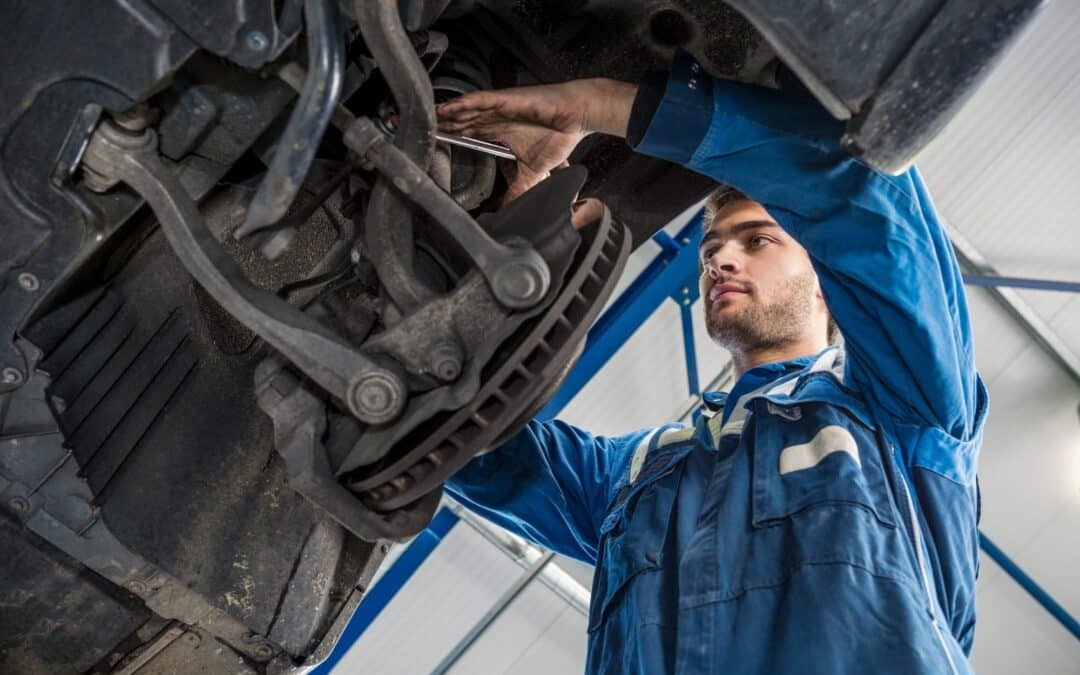
A truck that is unavailable cannot contribute to route productivity. Preventive maintenance is therefore central to fleet planning. Daily inspections, scheduled servicing, and prompt attention to defects can help reduce some avoidable interruptions.
Maintenance teams should monitor hydraulic systems, lifting arms, packing equipment, electrical controls, tires, brakes, and other critical components. Service should follow manufacturer recommendations and account for actual operating conditions.
Repair records can help identify repeated issues and support better decisions about parts, servicing intervals, and vehicle replacement. Drivers should report unusual movement, leaks, warning indicators, or changes in operating performance rather than continuing to use equipment that may be unsafe.
Use Diagnostics and Training Effectively
Some McNeilus side loader configurations offer diagnostic capabilities through McNeilus CODE controls. Depending on the model and specification, diagnostic information can help technicians investigate certain faults and streamline troubleshooting.
Diagnostics should be part of a broader maintenance process. They do not replace physical inspections, qualified repairs, or correct operating practices. Operators should understand the controls and know how to report equipment concerns.
Training is equally important. Drivers need to position the truck correctly, use the arm within its approved limits, recognize obstacles, and follow the required safety procedures. Consistent training helps reduce avoidable errors and makes operations more predictable across a fleet.
Consider Parts and Service Access
When a truck needs repair, delays in identifying or obtaining a replacement part can affect service schedules. Fleet managers should understand how to contact parts specialists and arrange maintenance for their selected vehicles.
Atlantic Heavy Duty provides information about McNeilus side loader options and parts support for refuse vehicles. Before buying, operators should confirm the support available for their region, the service process, and the parts needed for the specific truck configuration.
Planning service contacts ahead of time is more effective than waiting until a vehicle breaks down during a busy route.
Measure Improvements With Useful Data
Fleet managers should evaluate productivity using practical measures, such as route completion time, stops completed, vehicle availability, repair frequency, and operating costs. Comparing performance before and after a vehicle upgrade can help determine whether the investment is delivering the expected value.
Data should be interpreted in context. A route with more difficult access may take longer even when the vehicle performs well. Weather, traffic, waste volume, and customer behavior can also influence results.
Regular reviews allow managers to adjust route assignments, improve training, and refine maintenance plans.
Conclusion
McNeilus side loaders can support fleet productivity when the selected configuration matches route conditions and container requirements. Automated collection, suitable arm design, consistent maintenance, and effective training can all contribute to smoother operations.
For best results, fleet managers should combine appropriate equipment with thoughtful route planning, accessible carts, and reliable service arrangements. Atlantic Heavy Duty can help buyers explore McNeilus side loader options and consider the support needed to maintain long-term fleet performance.